
- All
- Product Name
- Product Keyword
- Product Model
- Product Summary
- Product Description
- Multi Field Search
 English
 Views: 32 Author: Site Editor Publish Time: 2025-12-01 Origin: Site
Beer brewing equipment represents a major investment for any brewery—whether it is a microbrewery, craft brewery, or large-scale production facility. Ensuring that your equipment remains in excellent working condition is essential not only for producing high-quality beer, but also for controlling long-term operational costs and avoiding unnecessary downtime.
High-grade stainless steel brewing systems—such as brewhouses, fermenters, bright tanks, pumps, and piping—are designed for durability. However, brewing conditions expose equipment to:
Heat and cooling cycles
Acidic and alkaline chemicals
High-pressure cleaning
Continuous moisture
Organic residues (yeast, wort, hops)
Without proper care, these factors can lead to premature wear, corrosion, leaks, contamination, and inconsistent beer quality.
A well-maintained DEGONG brewing system can operate smoothly for 10–20 years or more, making maintenance one of the best long-term investments any brewery can make.

Many breweries underestimate how important the initial setup is. Before your equipment enters production, DEGONG recommends completing the following steps:
New equipment may contain:
Protective oils
Welding residues
Dust or packaging materials
Construction debris
A full cleaning cycle removes these contaminants and prepares the tank for passivation.
Passivation forms a protective chromium-oxide layer that improves corrosion resistance. Proper passivation:
Removes free iron
Protects weld seams
Helps prevent rust and pitting
Ensures a clean, inert surface for brewing
DEGONG fermenters and tanks are pre-treated, but on-site passivation is still recommended in many cases.
Pressurized vessels (fermenters, bright tanks) should undergo:
Hydrostatic testing
Leakage inspection
Seal and gasket checks
Jacket pressure verification
Catching issues early helps ensure long-term durability.
Even if the equipment is brand new, sanitation removes airborne contaminants and prepares the tank for safe brewing.

Proper cleaning is the single most important factor in extending equipment life. Every DEGONG brewery system is designed for efficient CIP (Clean-In-Place), but it must be used correctly.
After each batch, perform:
Warm water rinse — removes proteins and sugars
Alkaline cleaning — dissolves organic residues
Acid wash — removes beerstone and mineral scale
Final rinse — removes chemical traces
Sanitization — ensures a microbe-free environment
Regular CIP prevents:
Beerstone buildup
Microbial contamination
Corrosion under residue
Blockage in valves or spray balls
DEGONG recommends:
Alkaline caustic for organic matter
Nitric/Phosphoric acid blends for beerstone
Non-chlorine sanitizers for safety
Avoid bleach or chloride cleaners, which damage stainless steel
Maintaining the correct chemical concentration, temperature, and circulation time is critical.
Some of the most common contamination points are:
Gaskets
Butterfly valves
Sample valves
Spray balls
Thermowells
Manway sealing rings
Hoses
These parts wear faster than the tank itself and must be disassembled and replaced regularly.

Preventive maintenance (PM) helps you identify problems early and avoid expensive repairs later.
Regularly check for:
Weld cracks
Corrosion spots
Dents or deformation
Jacket leaks
Insulation damage
Loose clamps and fittings
Keeping a monthly inspection log helps maintain consistency.
Gaskets are inexpensive but critical for:
Air-tight sealing
Pressure stability
Preventing contamination
Replace them:
Every 3–6 months for heavy use
Immediately if cracked or swollen
DEGONG supplies spare gasket kits designed for commercial use.
For accurate brewing control, routinely calibrate:
Temperature sensors
Pressure gauges
Flow meters
pH meters
Incorrect readings may cause fermentation issues or unsafe pressure conditions.
Mechanical components require:
Lubrication at scheduled intervals
Impeller inspection
Seal replacement
Electrical safety checks
Regular upkeep prevents overheating and premature motor failure.
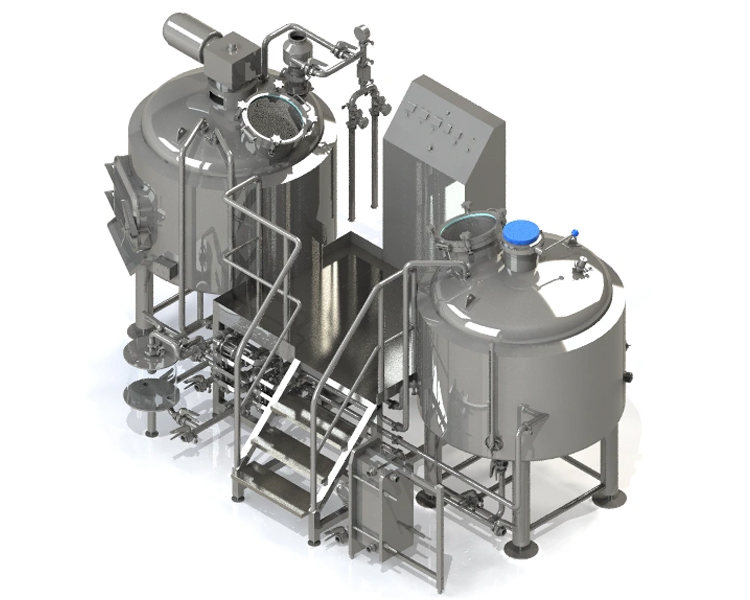
DEGONG uses high-quality SS304 or SS316L stainless steel, but even high-grade steel needs proper care.
Stainless steel is tough but not scratch-proof. Scratches become sites for:
Bacteria accumulation
Corrosion
Beerstone buildup
Use only soft cleaning tools and avoid metal brushes.
Chlorides are the enemy of stainless steel. Avoid:
Bleach
Chlorine-based cleaners
Salty environments
Standing chlorinated water
If chloride exposure occurs, rinse immediately.
A smooth surface (Ra ≤ 0.4 μm) resists contamination. If scratches appear, re-polishing may be necessary to restore sanitary performance.
Even the best equipment will suffer if operators develop poor habits. DEGONG recommends the following best practices:
6.1 Do not rush CIP cycles
Shortcuts in cleaning lead to long-term damage.
6.2 Train staff consistently
Clear SOPs reduce operator errors that damage tanks.
6.3 Keep tanks dry when not in use
Standing water encourages microbial growth and corrosion.
6.4 Never exceed designed pressure limits
All DEGONG tanks have rated maximum working pressure—respect it.
6.5 Use food-grade lubricants
This is critical for pumps, valves, and mechanical seals.

If equipment will not be used for extended periods:
Completely dry the tank
Leave manways slightly open for airflow
Apply protective coatings to sensitive parts
Store hoses and gaskets in cool, dry locations
Perform a full CIP and sanitization before restarting production
These simple habits prevent corrosion and mold growth.
By following the above procedures, you can expect:
Extended service life of tanks, valves, pumps, and piping
Lower operating costs due to fewer repairs
More stable beer quality
Higher production reliability
Reduced contamination risk
Greater equipment resale value
A well-maintained brewing system can remain efficient for many years, ensuring a strong return on your initial investment.