
- All
- Product Name
- Product Keyword
- Product Model
- Product Summary
- Product Description
- Multi Field Search
 English
 Views: 28 Author: Site Editor Publish Time: 2025-12-25 Origin: Site
Kombucha is a naturally fermented tea beverage made from tea, sugar, and a symbiotic culture of bacteria and yeast (SCOBY). With its refreshing sweet-and-sour taste and light carbonation, it has become popular among health-conscious consumers and fermentation enthusiasts. Beyond commercial production, kombucha can also be successfully brewed at home with the right methods, hygiene practices, and equipment.
As a professional manufacturer of brewing and fermentation equipment, DEGONG provides reliable solutions not only for commercial breweries, but also for small-scale and home fermentation applications. This guide explains how home kombucha brewing works, what equipment is required, and how to achieve safe and consistent results.
Kombucha is produced by fermenting sweetened tea using a SCOBY culture. During fermentation, yeast converts sugars into alcohol and carbon dioxide, while bacteria transform the alcohol into organic acids. This process gradually reduces sweetness, increases acidity, and builds a mild natural carbonation, forming kombucha’s characteristic flavor profile.

Yes — kombucha can be brewed safely and successfully at home, provided that temperature, hygiene, and fermentation time are properly controlled.
Advantages of home brewing include:
Flexible flavor customization
Lower cost compared with store-bought kombucha
An enjoyable and creative DIY experience
However, it also requires attention to:
Strict hygiene to avoid contamination
Stable temperature control
Variations in taste caused by SCOBY activity and environment
With patience and good brewing practices, beginners can achieve consistent and satisfying results.

The kombucha fermentation process typically involves two stages:
Primary fermentation — SCOBY ferments sweet tea inside an open-top, breathable container, forming acidity and a new SCOBY layer.
Optional secondary fermentation — Bottled kombucha is sealed to build carbonation and develop additional flavors.
The key to safe kombucha brewing is maintaining sufficient acidity and clean equipment throughout the process.
To brew kombucha at home, you typically need:
Black or green tea
White granulated sugar
SCOBY and starter liquid
Clean water free from chlorine
These simple ingredients provide the ideal environment for fermentation activity.

Brew tea and dissolve sugar completely.
Allow the sweet tea to cool to room temperature.
Add SCOBY and starter liquid to a clean fermentation jar.
Cover the jar with a breathable cloth and secure it.
Ferment at room temperature for 7–14 days, depending on taste preference.
Optionally bottle the kombucha for secondary fermentation and carbonation.
Longer fermentation results in a drier, more acidic flavor, while shorter fermentation remains sweeter.
For safe and convenient brewing, the following equipment is commonly used:
Glass or food-grade fermentation jars
Breathable cloth covers
Thermometer or temperature strip
pH strips for acidity monitoring
Bottles suitable for carbonation
Cleaning and sanitation tools
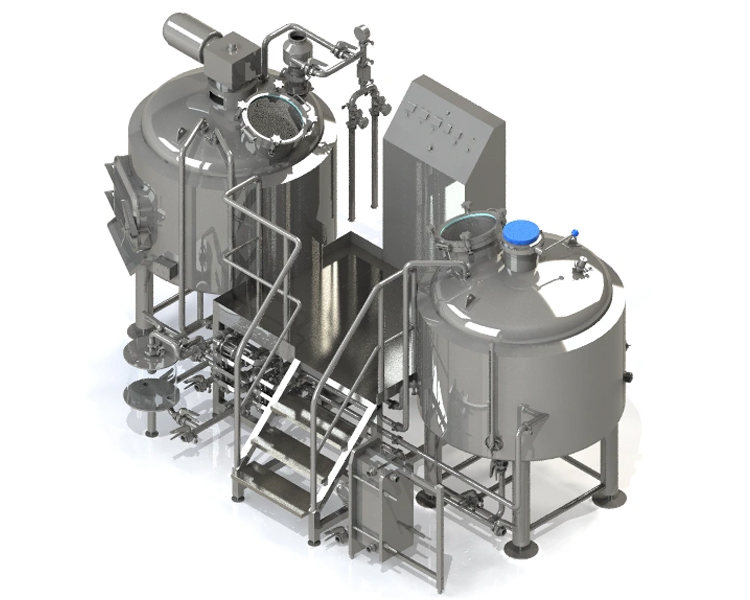
For users seeking higher stability and repeatability, DEGONG can provide customized small-scale fermentation tanks and sanitary brewing accessories, helping home brewers achieve professional-grade control and brewing efficiency.
To ensure quality and safety:
Maintain a fermentation temperature between 21–27°C
Keep all equipment thoroughly cleaned and sanitized
Avoid metal utensils in prolonged contact with kombucha
Discard any batch showing mold or abnormal odor
Ensure pH remains in an appropriately acidic range
Good brewing habits significantly reduce contamination risks and improve flavor consistency.
Does kombucha contain alcohol?
Yes — a small amount is naturally produced during fermentation, especially in sealed secondary fermentation.
Can the same equipment be used for beer and kombucha?
It is recommended to use separate equipment to prevent cross-contamination between yeast cultures.
Home kombucha brewing is both feasible and rewarding when supported by proper equipment, hygiene practices, and fermentation management. Whether for personal enjoyment or small-batch R&D, a well-designed brewing setup can greatly improve stability, flavor quality, and safety.
With extensive experience in fermentation engineering and stainless-steel processing, DEGONG provides professional brewing and kombucha equipment solutions for home users, craft producers, and commercial manufacturers. For customized brewing systems or technical guidance, you are welcome to contact DEGONG for consultation and support.