
- All
- Product Name
- Product Keyword
- Product Model
- Product Summary
- Product Description
- Multi Field Search
 English
 Views: 28 Author: Site Editor Publish Time: 2025-11-26 Origin: Site
Selecting the right ingredients is the foundation of brewing outstanding beer. Every batch begins with grains, hops, yeast, and water — and the quality of these ingredients directly determines the aroma, flavor, and consistency of your final product. With years of experience supporting breweries worldwide, DEGONG shares essential tips on how to source the best brewing ingredients and build a reliable supply chain.
Fresh malt develops a clean malt sweetness, stable color, and a well-rounded body. Look for grains that are firm, uniform, and free from discoloration. Any musty or old smell is a sign that the malt may be past its optimal condition.
Fresh hops deliver vibrant floral, fruity, herbal, or citrus notes. Good hops should have bright color and strong aroma. If hops appear brown, overly dry, or dull in scent, oxidation may have occurred.
Only active, healthy yeast ensures consistent fermentation. Always check storage conditions, temperature requirements, and expiration dates. Improperly stored yeast can slow fermentation or produce unwanted off-flavors.
Water composition affects mash performance, bitterness perception, mouthfeel, and overall style. Check pH value, hardness, mineral content, and purity. Many brewers adjust water chemistry to match specific beer styles.
Key point: Freshness + proper storage = predictable, stable beer quality.

Always test small samples before placing a large order. This helps you confirm flavor profile, moisture content, aroma, and brewing performance.
Quality certificates, origin documents, and production standards help verify the reliability of suppliers.
Professional brewers often share experience with specific farms, hop producers, malt houses, or yeast manufacturers. Their opinions can help you avoid unstable suppliers.
Seeing a supplier’s storage, packaging, and production environment gives you a deeper understanding of their quality control.
A stable, trustworthy supply partner allows you to maintain consistency in your beer. Long-term suppliers often provide priority access to special lots, limited hops, or seasonal malt varieties.
As a brewery equipment manufacturer, DEGONG regularly works with certified ingredient suppliers and can offer guidance on choosing the right materials for your brewing system.

Malt determines body, color, sweetness, and complexity.
Base malts (e.g., Pilsner, Pale Ale) create a clean and balanced foundation.
Specialty malts add layers such as caramel, roasted, chocolate, nutty, or biscuit character.
Hops contribute bitterness, aroma, and style-specific flavor richness.
Citrus hops (e.g., Citra)
Earthy or herbal hops (e.g., Fuggle)
European noble hops (e.g., Saaz)
Proper packaging — vacuum-sealed or nitrogen-flushed — prevents oxidation and preserves quality.
Different yeast strains create different flavors:
Ale yeast: fruit esters, spice notes
Lager yeast: clean, crisp flavor
Proper handling ensures stable fermentation, attenuation, and final alcohol content.
Water represents the largest proportion of beer.
Its mineral composition can strengthen maltiness, enhance hop sharpness, or create a soft, rounded mouthfeel.
Adjusting brewing water is a common practice among modern professional brewers.

Shorter transportation = fresher malt and hops
Beneficial for seasonal or “fresh farm” beer styles
Supports local agriculture
Access to rare or premium ingredients
Unique hop varieties (e.g., New Zealand, Australia)
European specialty malts
Many successful breweries combine both local and imported ingredients to create signature beer profiles. DEGONG, based on its global brewery clients, also recommends a hybrid approach to ensure both freshness and uniqueness.
A solid ingredient supply chain helps brewers maintain consistent quality and respond quickly to production demands.
Benefits of long-term partnerships:
Stable prices
Priority allocation during times of shortage
Predictable quality
Faster communication
Better customization options
As a global brewing equipment supplier, DEGONG has witnessed how stable ingredient sourcing directly contributes to successful breweries and helps maintain long-term product consistency.
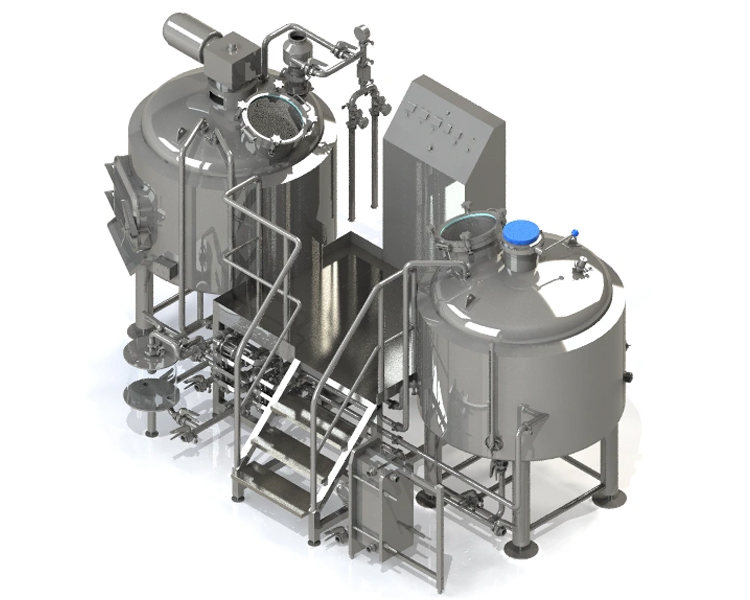
Before finalizing your ingredient sourcing strategy, review this quick checklist:
✔ Check freshness, packaging, moisture, aroma, and appearance
✔ Request samples before purchasing
✔ Compare suppliers and certifications
✔ Understand how each ingredient affects your beer style
✔ Evaluate transportation and storage conditions
✔ Build strong, long-term supplier relationships
✔ Record every batch for future optimization
Choosing brewing ingredients is not a simple purchase — it is a strategic part of brewing. Freshness, quality control, and trustworthy suppliers ensure consistent and excellent beer. By evaluating each ingredient carefully and building a reliable sourcing system, brewers can create distinctive, stable, and flavorful products.