
- All
- Product Name
- Product Keyword
- Product Model
- Product Summary
- Product Description
- Multi Field Search
 English
 Views: 0 Author: Site Editor Publish Time: 2025-04-14 Origin: Site
How to Prevent Cracks in Brewing Equipment During Beer Production – DEGONG Guide for Brewers
In the entire beer brewing process, maintaining the integrity of brewing equipment is essential. Even minor gaps or cracks can lead to steam leakage, alcohol loss, or contamination, directly impacting product quality and efficiency. So how can brewers prevent cracks in beer brewing equipment during daily operations? Here's a comprehensive guide from DEGONG:
When transferring the fermented mash into the brew kettle, make sure the kettle is properly sealed before heating. Key connection points — such as the kettle lid, the steam pipe (also known as the vapor line), and the condenser — should be filled with water to form a complete water seal. These seals help prevent steam and alcohol vapor from escaping, ensuring maximum yield.
Tip: Regularly inspect sealing grooves and gaskets for wear or residue that may compromise sealing.
Maintenance: Replace worn-out gaskets or seals promptly to avoid micro-cracks or steam leaks.
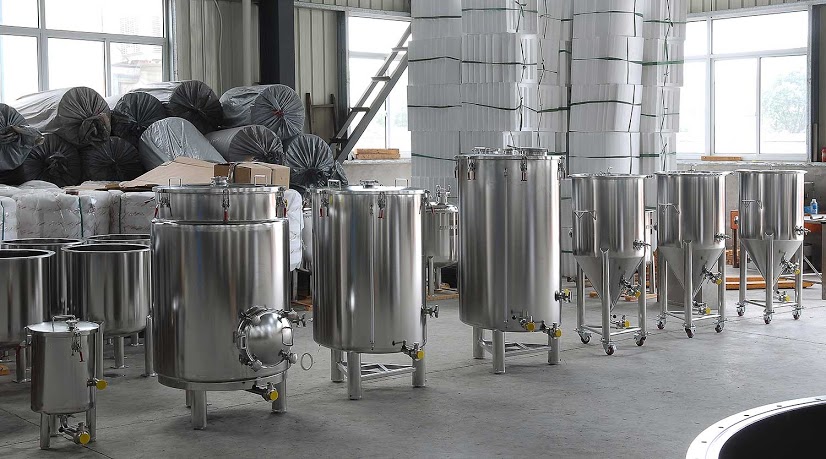
Throughout the boiling or distillation phase, any visible steam escaping from the system — whether from the kettle, steam pipe, or condenser — indicates potential leakage, commonly due to cracks or poor sealing.
Best Practice: Maintain proper water levels in sealing troughs at all times.
Brewing Insight: The first batch of distilled liquid (often referred to as "heads") should flow smoothly with no visible leaks to ensure efficient operation.
Once the alcohol content in the output drops below the desired threshold, brewers collect what's called "tail-end alcohol" separately. This tail is typically below 10% ABV and can be reintroduced into the next mash to boost efficiency and reduce waste.
System Check: After each batch, inspect pipes and connections where hot liquids flow, as repeated thermal stress is a key contributor to microfractures.
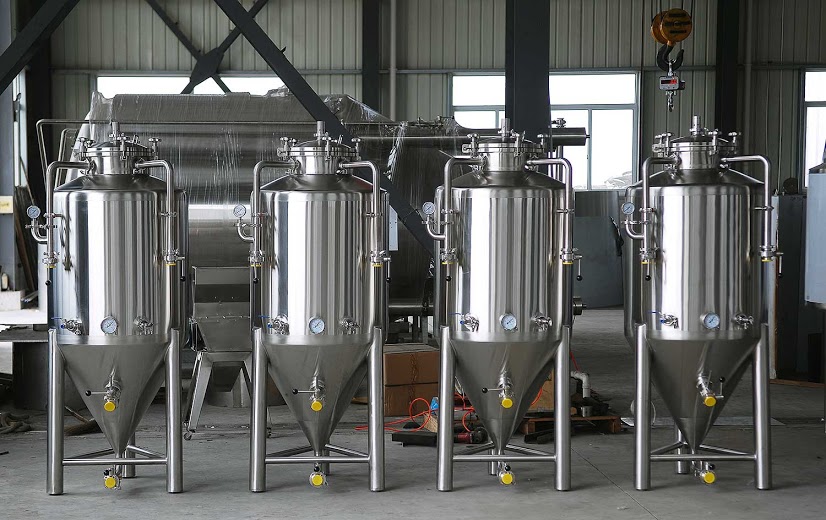
At the end of each brewing cycle, open the kettle discharge valve and remove the hot spent grains (or mash). These should be mixed immediately with feed-grade ingredients like bran or husk while still hot, ensuring a safe and energy-efficient reuse in livestock feed.
Safety Note: Handle hot liquids and solids carefully, especially around older or welded components where cracks are more likely to appear over time.
Safety: Cracks in pressurized vessels can lead to dangerous leaks or even accidents.
Product Quality: Cracks can harbor bacteria or contaminants, risking spoilage or off-flavors.
Efficiency: Loss of alcohol vapor equals loss of profit — airtight systems improve yield.
At DEGONG, all brewing systems are manufactured using high-grade stainless steel with precision welding and rigorous quality inspection to ensure durability, hygiene, and performance. We also provide long-term maintenance support and can help identify early signs of equipment fatigue or damage.
If you’re looking for professional, reliable brewing equipment with top-tier sealing performance, contact DEGONG today.